
Trauma-Informed Practices in Massage Therapy for Enhanced Safety and Well-Being

Trauma-Informed Approach to Massage Therapy
In recent years, the massage therapy industry has increasingly recognized the need to adopt a trauma-informed approach. This is not just a trend but a necessary evolution in understanding how trauma affects individuals and how massage therapists can provide care that acknowledges these experiences. Let’s explore the importance of this approach.
Understanding Trauma-Informed Care
A trauma-informed approach in massage therapy involves understanding, recognizing, and responding to the effects of all types of trauma. It emphasizes physical, psychological, and emotional safety for both providers and survivors, creating opportunities for survivors to rebuild a sense of control and empowerment. By prioritizing these elements, massage therapists can make a significant impact on the healing journeys of those who have experienced trauma. This approach encourages therapists to be attuned to the specific needs and boundaries of each client, ensuring that their practice is not only therapeutic but also deeply respectful and compassionate.

Unlock the secrets of trauma and distinguish it from stress in our comprehensive Trauma-Informed Massage Therapy Course. Enhance your therapeutic skills by understanding the deep impact of trauma and how to support your clients effectively.
• Learn the distinction between trauma and stress for effective therapy
• Gain insights into why healing from trauma is challenging
• Discover techniques to provide empathetic and trauma-informed care
Empower yourself to transform lives by harnessing the power of empathy and understanding trauma. This course equips you to facilitate healing in a more informed and compassionate way.
The Prevalence of Trauma
According to the National Council for Behavioral Health, 70% of adults in the U.S. have experienced some type of traumatic event at least once in their lives. This staggering figure underscores the necessity of integrating a trauma-informed approach in various fields, including massage therapy. Recognizing the widespread impact of trauma, it becomes imperative for therapists to not only be aware of these statistics but also to deeply understand their implications.

The Role of Massage Therapy in Trauma Recovery
Massage therapy can be a powerful tool in trauma recovery. It helps in reducing stress, anxiety, and depression, which are common aftereffects of trauma. However, without a trauma-informed approach, massage therapy can inadvertently trigger a client’s traumatic memories.
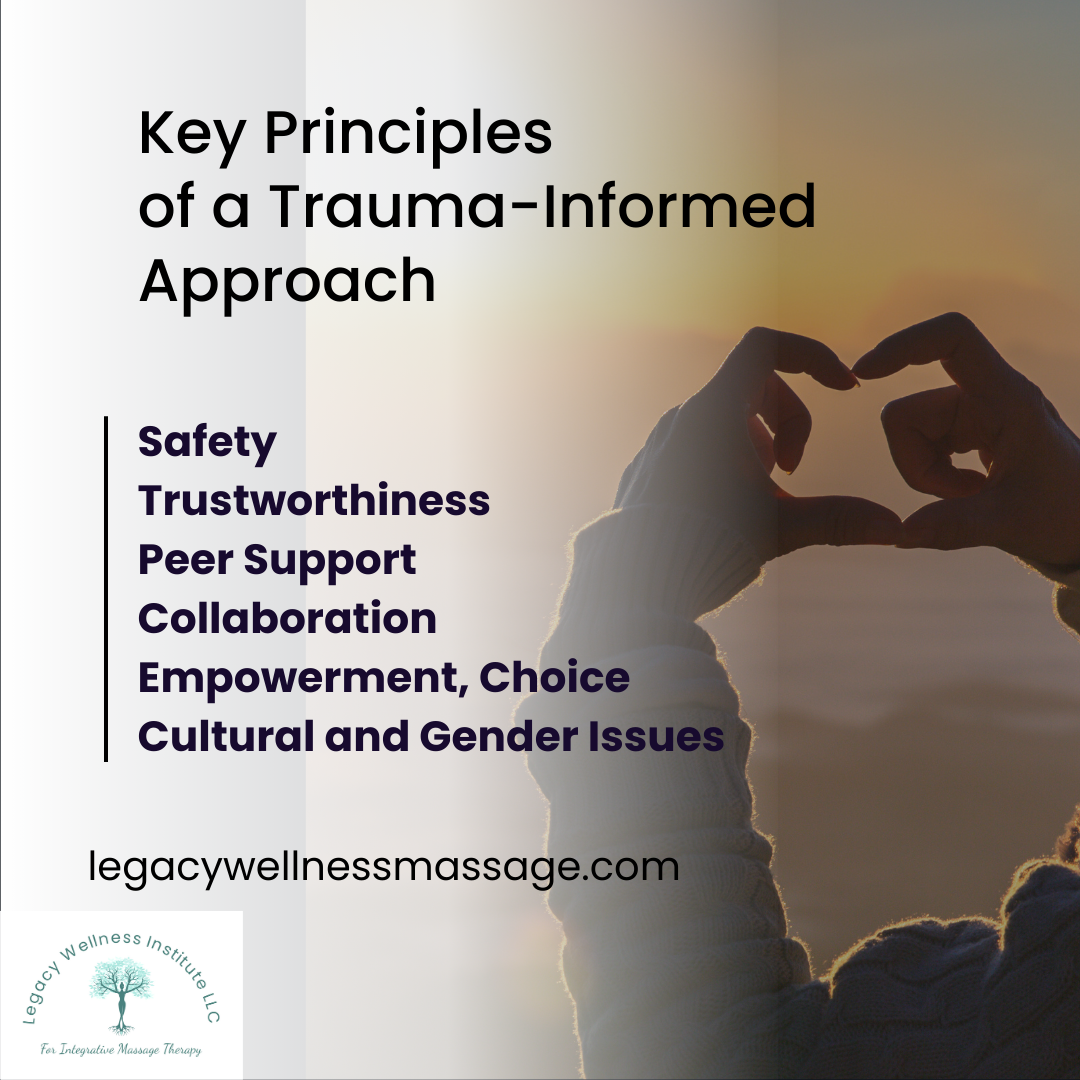
The Core Principles of a Trauma-Informed Approach
Safety: Ensuring that clients feel physically and emotionally safe during their sessions. This could involve creating a welcoming and secure environment in the massage room.
Trustworthiness and Transparency: Building trust with clients through clear communication and setting expectations about the therapy.
Peer Support: Encouraging a support network, which can be invaluable for individuals who have experienced trauma.
Collaboration and Mutuality: Fostering a partnership between therapist and client, emphasizing shared decision-making.
Empowerment, Voice, and Choice: Empowering clients by validating their feelings and offering them choices in their care.
Cultural, Historical, and Gender Issues: Recognizing and addressing cultural, racial, and gender differences to avoid re-traumatization.
The adoption of a trauma-informed framework ensures that massage therapy is not merely a physical intervention but a holistic journey towards healing. This approach prioritizes empathy, patience, and understanding, creating an environment where clients feel secure and respected. It acknowledges the invisible burdens that many carry and strives to lighten them through thoughtful, compassionate care.
Ultimately, embracing trauma-informed care in massage therapy is about more than just adapting techniques; it's about fostering a space for healing, growth, and renewal. By doing so, therapists can make a profound difference in the lives of those they serve, offering not just relief from physical discomfort but also a pathway to emotional and psychological restoration.
Real-World Example: Sarah's Story
Sarah, a survivor of childhood trauma, sought massage therapy to help manage her chronic pain. Initially, she found the experience overwhelming and avoided returning-- she found herself hesitant. The very idea of being touched, even in a therapeutic setting, had initially been a source of anxiety. However, after finding a therapist who practiced a trauma-informed approach, she felt more comfortable. The massage therapist’s gentle demeanor and unwavering commitment to a trauma-informed practice gradually eased her fears. The therapist explained each step, allowed Sarah to control the session's pace, and offered choices, empowering her in the process. Over time, Sarah experienced significant improvements in her physical and mental well-being. By prioritizing Sarah’s comfort and autonomy, the sessions became a safe haven—a place where she could begin to reclaim her body and her sense of self.
This transformation highlights the profound impact that a trauma-informed approach can have on clients like Sarah. Through compassion and understanding, therapists can create an environment that not only addresses physical symptoms but also nurtures emotional healing. In Sarah’s case, this meant regaining trust in herself and in others, learning to relax and let go, and ultimately, finding peace in the therapeutic touch that once seemed so daunting.
As more therapists embrace these principles, the potential for positive change in the lives of trauma survivors becomes increasingly evident. By continuing to refine their methods and maintain open, compassionate communication, massage therapists can help clients like Sarah not only manage pain but also embark on a journey toward holistic recovery.
Conclusion
A trauma-informed approach to massage therapy is essential in today’s world, where many individuals are grappling with the effects of trauma. Massage therapists can create a comprehensive, empathetic, and effective care strategy. Supporting local businesses and fostering community awareness are key components in the success of this approach.
As we move forward, we should ask ourselves: How can we continue to improve trauma-informed practices in various fields? How can communities come together to support individuals on their healing journeys? These questions encourage us to think critically about the future of trauma-informed care and its potential to transform lives.
In embracing a trauma-informed approach, we not only enhance the quality of care but also promote healing, empowerment, and resilience among those who need it most.